Choosing a nursery
for the first time
for the first time
A Guide for Families in Brighton, Hove & Beyond
Est. reading time 8 mins
Last updated 08/07/26
Contents
- 1. Introduction
- 2. When to Start Looking for a Nursery
- 3. How to Find Nurseries Near You
- 4. What to Look for When Shortlisting Nurseries
- 5. Preparing for Nursery Visits
- 6. Essential Questions to Ask on a Nursery Visit
- 7. How Nurseries Support Children with SEND
- 8. What Documents and Information Parents Need
- 9. A Parent’s Checklist for Choosing a Nursery
- 10. Closing Section
1. Introduction
Choosing a nursery is one of the most significant steps a family takes. It is often the first time a child spends meaningful time away from home, which brings a mix of pride, nerves, excitement, and questions. Parents want to feel confident that their child will be recognised as an individual, cared for with genuine warmth, and supported to grow at their own pace.
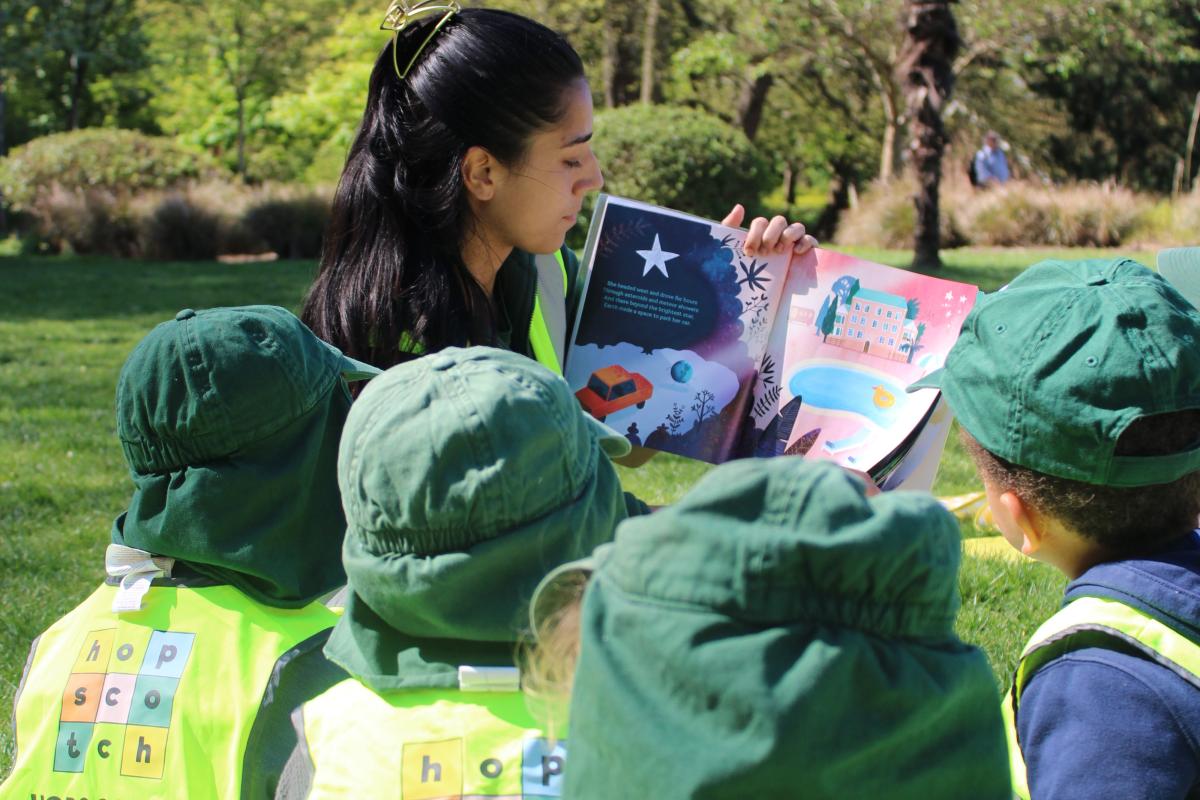
Hopscotch believes childhood is sacred. Children should be protected, celebrated, and given space to flourish. Choosing the right nursery is part of that commitment. This guide is designed to help parents understand what to look for, what to ask, and how to feel assured that they are making the best decision for their child.
2. When to Start Looking for a Nursery
Every family’s situation is different, but the earlier you begin the process, the more choice you will have. Many parents start exploring nurseries when their child is between three and nine months old, particularly if they plan to return to work. In areas with high demand, some families enquire even sooner.
It is helpful to begin looking once you have a sense of your preferred start date, your working hours, and the type of care you want. Your child does not need to reach specific developmental milestones to begin nursery. What matters most is that the environment feels safe, nurturing, and aligned with what you value for your child.
3. How to Find Nurseries Near You
There are several reliable ways to search for nurseries in your area. Combining these helps create a well rounded picture.
Use Ofsted and Local Authority Directories
- Ofsted reports provide detailed information about quality, leadership, safeguarding, and staff practice.
- Local authority websites often maintain comprehensive lists of registered early years settings.
Search Online
Most parents begin their search online. When reviewing a nursery website or social media page, look for:
- Real photographs rather than stock images.
- Evidence of play based learning.
- Warmth in staff interactions.
- Clear communication about values and approach.
Beware of overly generic language. High quality nurseries can usually explain what makes their approach distinctive.
Speak to Other Parents
Friends, family members, or local parenting groups often share honest experiences. These should not replace your own visit, but they can help create useful context.
Visit in Person
A visit is the most accurate way to understand whether a setting feels right. A strong setting should welcome visits, answer questions fully, and take time to show you how they support children as individuals.

4. What to Look for When Shortlisting Nurseries
Once you have a list of potential nurseries, it is time to look more closely at what each one offers.
A Clear Approach to Childhood
Look for a setting that values curiosity, play, imagination, and emotional safety. The best nurseries nurture the whole child rather than focusing on premature readiness. Hopscotch’s belief in protecting the joy of early years can help you recognise similar qualities in other settings.
Warm, Consistent Relationships
Positive relationships are the heart of good early years practice. Observe whether staff speak to children with kindness, listen closely, and support their independence. Stability of staffing is also important because babies and young children thrive through consistent attachment.
Staff Qualifications and Professionalism
The Early Years Foundation Stage (EYFS) requires specific qualification levels and ratios. Beyond compliance, look for:
- Staff who understand child development.
- Practitioners who respond calmly and confidently.
- Leaders who model reflective practice.
The Physical Environment
A strong early years environment encourages exploration. Look for:
- Cosy spaces that help babies feel secure.
- Invitations to play that spark curiosity.
- Real objects, natural materials, and open ended resources.
-An outdoor area that allows children to develop physical confidence.
Session Patterns and Practical Fit
Think about whether the nursery’s hours, location, and structure work for your family.
For information about fees and funding support, visit:
https://www.hopscotch.uk.com/fees-funding
5. Preparing for Nursery Visits
A nursery visit is your opportunity to understand how the setting really feels and whether your child would feel known and supported there.
What to Observe
- The atmosphere. A calm yet joyful setting often reflects strong practice.
- Children’s engagement. Look for sustained play, curiosity, and independence.
- Staff interactions. Warm eye contact, gentle voices, and responsive care are key signs of emotional safety.
- How staff support conflict between children. Look for respectful guidance rather than punitive language.
Signs of Confident Practice
- Staff who can explain why they do what they do.
A culture of teamwork and shared values.
- Children who move around the room with confidence.
- Activities that are meaningful rather than decorative.
Red Flags to Note
- High staff turnover that is not acknowledged.
Minimal interaction between staff and children.
- An environment that feels chaotic or overly rigid.
- Limited opportunities for children to experience the world beyond the room, whether through outdoor play, local outings, or meaningful real world experiences that broaden their understanding.
6. Essential Questions to Ask on a Nursery Visit
Asking thoughtful questions helps you understand the nursery’s ethos and whether it aligns with your family.
About Care and Relationships
- Who will be my child’s key person
- How do you support emotional wellbeing
- How do you communicate with parents throughout the day and week
- How do you approach behaviour guidance and support children through conflicts or challenging moments
About Learning and Play
- How do you plan for individual children
- What does a typical day look like for babies or toddler
- How do you encourage curiosity and independence
About Staff and Leadership
- How long have your core team members been here
- What professional development do staff receive
- How do you create a strong and supportive culture
About Parent Partnership
- How involved can families be
- How do you work with parents when a child finds transitions difficult
These questions reveal much more than a prospectus ever can.
7. How Nurseries Support Children with SEND
Inclusive practice is a vital part of early years care. Many parents want to know how nurseries identify and respond to additional needs, even if their child has not yet shown signs of requiring support.
What Inclusion Should Look Like
- Staff who speak about all children with respect and optimism.
- Resources that reflect a diverse community.
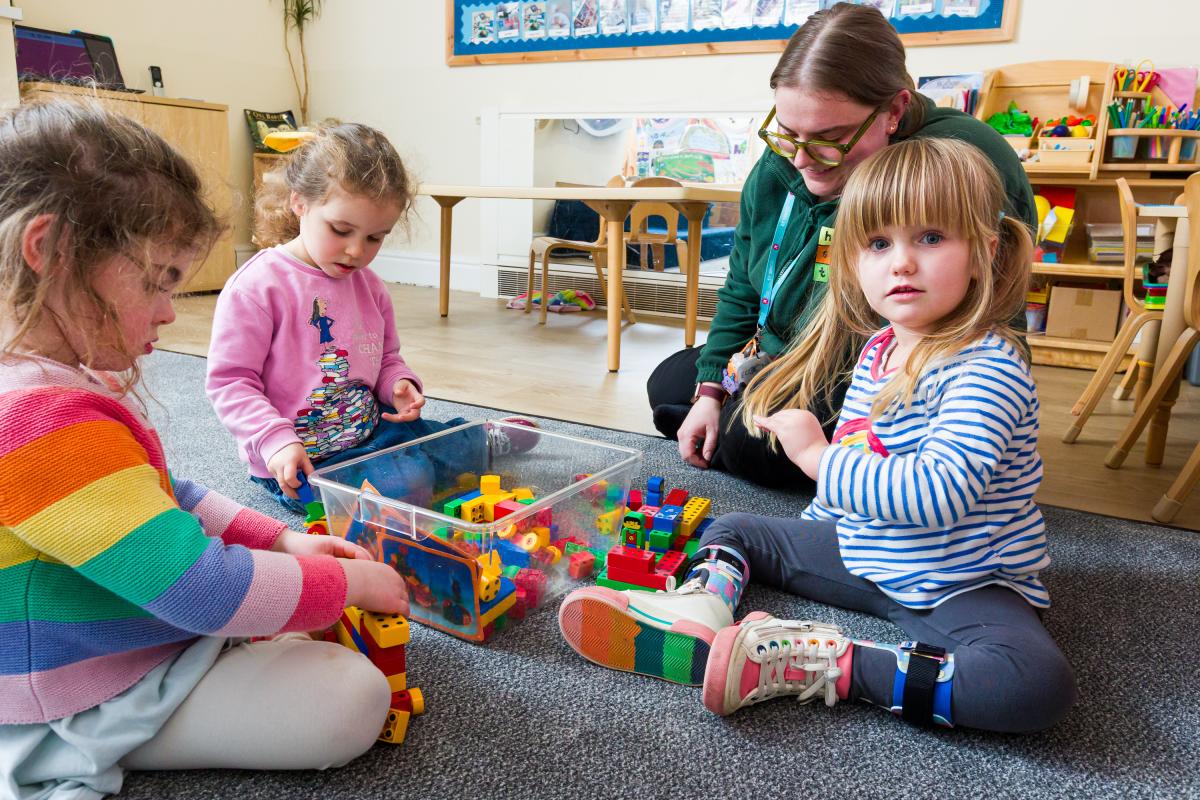
- Adaptations that help every child participate in all aspects of nursery life.
The Role of the SENCO
Every nursery must have a Special Educational Needs Coordinator who is responsible for:
- Supporting early identification of needs.
- Coordinating with parents and external professionals.
- Ensuring individual plans are meaningful and regularly reviewed.
Questions to Ask
- How do you identify emerging needs
- How will you work with our family if support becomes necessary
- What experience does your SENCO have
A nursery that responds with clarity and confidence is better equipped to support your child.
8. What Documents and Information Parents Need
Once you have chosen a nursery, there are a few practical steps to complete.
Registration Information
Nurseries typically require:
- A completed registration form
- Medical and dietary information
- Emergency contact details
- Permissions for activities or observations
Policies to Review
Ensure you have access to key policies, including safeguarding, behaviour guidance, illness, fees, and communication.
Fees and Funding
Nursery funding varies by age and eligibility. For full details, visit our Fees & Funding Page.
Settling In
Hopscotch provides a comprehensive settling in pack.
9. A Parent’s Checklist for Choosing a Nursery
A simple checklist can help you compare settings and reflect on your visit.
Emotional and Relational Indicators
- Did the environment feel warm and respectful
- Did staff show genuine interest in your child
- Did the children appear confident and engaged
Practical Considerations
- Are opening hours suitable
- Is the setting easy to reach
- Does the communication approach feel right for you
Educational and Developmental Factors
- Does the nursery value play based learning
- Are children encouraged to explore independently
- Does the environment reflect children’s interests
Family Alignment
- Does the nursery share your values
- Can you imagine your child feeling secure here
10. Closing Section
Beginning this journey is a milestone for every family. The right nursery will not only care for your child but will celebrate who they are and support them to grow with confidence, curiosity, and joy.
Hopscotch exists to protect the magic of early years. Our nurseries are homes where children can be themselves, explore freely, and build the foundations for life. If you would like to see how we nurture young minds, we would be delighted to welcome you for a visit.